
If you are planning a move, choosing the right van can make moving day much easier. So, what size moving van do I need? It depends on more than the number of bedrooms. The amount and type of furniture, number of boxes, access at both properties and whether everything can fit in one load all matter. This guide explains the main van options and how to choose the right size for a London move.
Moving Van Size Guide: Which Van Is Right for Your Move?
The table below gives you a simple starting point. Remember that property size is only an estimate. Two homes with the same number of bedrooms can have very different amounts of furniture and belongings.
| Property / Move Type | Typical Load | Suggested Van | Important Caveat |
|---|---|---|---|
| Single item | Sofa, wardrobe, mattress or appliance | Panel van or suitable man and van vehicle | Check item dimensions and access first |
| Studio flat | Boxes, small furniture, bed and personal items | Panel van / smaller moving van | A large amount of furniture may need more space |
| One-bedroom flat | Bedroom furniture, sofa, boxes and appliances | Luton van may be suitable | The exact load can vary greatly |
| Two-bedroom house | Furniture from two bedrooms, living room and kitchen | Luton van | Large furniture or many boxes may require extra capacity |
| Three-bedroom house | Multiple bedrooms, living and dining furniture, appliances and boxes | Larger moving van / Luton van depending on load | A survey or detailed inventory is recommended |
| Four-bedroom house or larger | Full household contents | Larger moving van or multiple loads | Van choice should be based on the actual inventory |
| Part move / small move | Selected furniture and boxes | Panel van or smaller moving van | You may not need the capacity of a full-size removal vehicle |
These are planning guidelines rather than fixed rules. The best van size depends on the actual contents of your move.
Why Property Size Alone Is Not Enough
Searching for the right van size for moving house often starts with the number of bedrooms. That is useful, but it does not tell the whole story. Imagine two one-bedroom flats. One might contain a bed, sofa, small dining table, wardrobe and 15 boxes. The other could have a large corner sofa, several wardrobes, bookcases, appliances, storage cupboards and 40 boxes.
Both are one-bedroom flats, but their moving van capacity requirements are very different. The same applies to larger properties. A three-bedroom house with minimalist furniture may need less space than a heavily furnished two-bedroom house. Before choosing a van, think about:
- How many boxes you have
- The size of your sofa
- How many wardrobes need moving
- Whether beds need dismantling
- The number of mattresses
- Large appliances
- Dining tables and chairs
- Bookcases and shelving
- Garden furniture
- Storage cupboards and their contents
- Whether everything needs to be moved in one trip
The shape of your belongings matters too. A tall wardrobe and a stack of medium-sized boxes do not use van space in the same way.
Panel Van or Luton Van?
Two common options for smaller and domestic moves are a panel van and a Luton van.
Panel van
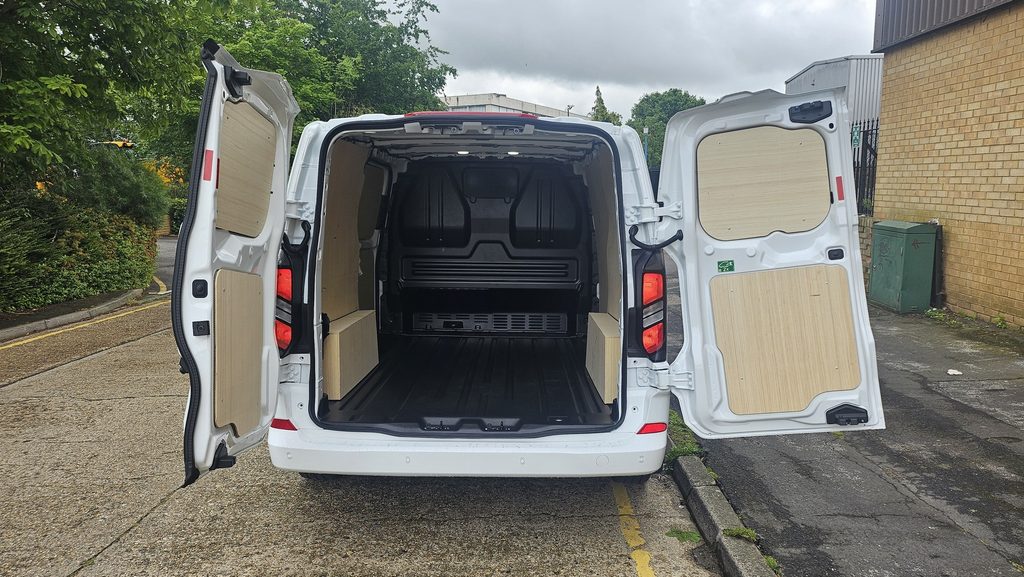
A panel van can be useful for smaller loads, individual items and part moves. It may be suitable when you are moving a limited amount of furniture or collecting something from another property. For example, a panel van could make sense for:
- A single sofa
- One wardrobe
- A mattress and bed frame
- A small number of boxes
- Furniture collected from a marketplace seller
- A student room move
- A small part-load move
However, do not assume that a panel van will be enough simply because you are moving from a small flat. Bulky furniture can take up much more space than its weight suggests.
Luton van
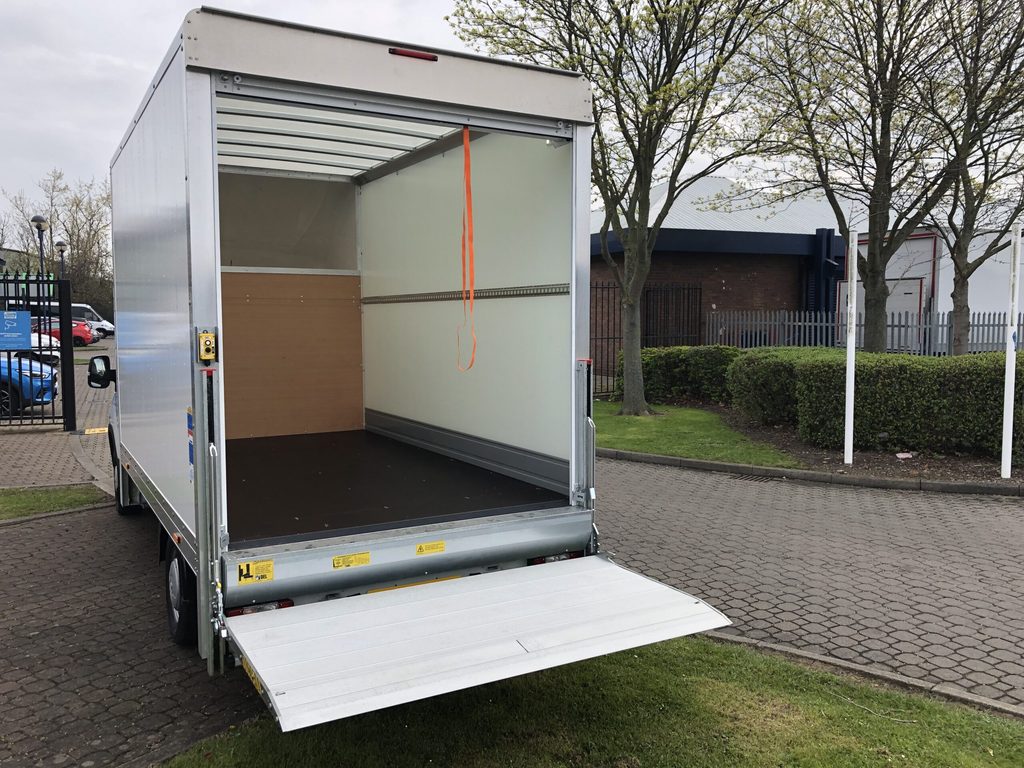
A Luton van is generally associated with larger domestic moves and offers considerably more usable load space than a smaller panel van. It can be a practical choice for furniture such as sofas, wardrobes, beds, dining tables, mattresses and boxes. If you are looking for Luton van removals in London, the important point is not simply the name of the vehicle. The actual dimensions, usable loading space and payload of the specific vehicle should be checked before booking.
Super Safe’s vehicle information should always be checked against the current fleet before publication or booking, particularly where exact van dimensions, payload or cubic capacity are concerned. Vehicle specifications can change, so a quote or vehicle confirmation is more reliable than relying on a generic Luton van specification.
What Size Van for a One Bedroom Flat?
So, what size van for a one bedroom flat? For a relatively lightly furnished one-bedroom flat, a smaller moving van may be enough. If you have a normal amount of furniture and want to move everything together, a Luton van may be more suitable. Start by making a simple inventory:
Bedroom:
Bed + mattress → wardrobe → chest of drawers → boxes
Living room:
Sofa → TV → TV unit → coffee table → boxes
Kitchen:
Small appliances → kitchen boxes → table and chairs
Other:
Cleaning items → books → bags → miscellaneous boxes
Then consider the size of your individual items. A large sofa or wardrobe can change the calculation quickly. If your flat has a lift or narrow staircase, also check whether your largest items can actually leave the property. A van with enough cargo capacity does not solve an access problem.
What Size Van for a Two Bedroom House?
If you are asking what size van for a two bedroom house, a Luton van is often a sensible starting point for a standard household move, but it should not be treated as an automatic answer. A two-bedroom house might contain:
- Two beds and mattresses
- Two or more wardrobes
- Chest of drawers
- Sofa and armchairs
- TV and TV unit
- Dining table and chairs
- Kitchen appliances
- Bookcases
- Household storage
- Several boxes
The number of boxes can make a major difference. Ten boxes and 50 boxes are very different moves, even if the furniture is identical. This is why a proper inventory is more useful than simply saying, “It’s a two-bedroom house.”
What About a Three-Bedroom House?
A three-bedroom house normally contains more furniture and belongings, so choosing a van becomes more important. You may have three beds, several wardrobes, children’s furniture, a larger sofa, dining furniture, appliances, garden items and a much higher number of boxes.
For this type of move, do not book a vehicle based only on the property description. Give the removal team as much information as possible about what needs to be moved. A large moving van London booking may be appropriate for a bigger household, but the correct option depends on the actual vehicle available and the amount of cargo. It is better to discuss the load before moving day than discover that the vehicle cannot take everything in one trip.
Moving Van Capacity: Think About Space and Weight
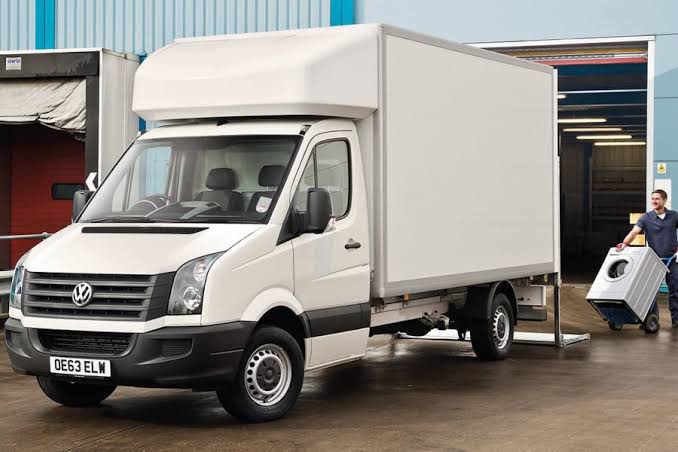
There are two different questions when choosing a van: Will everything fit? and Is the vehicle allowed to carry the weight? These relate to cubic capacity and payload. Cubic capacity describes the amount of physical space available inside the loading area. Payload refers to how much weight the vehicle can legally carry.
Furniture can be large without being especially heavy, while boxes of books or other dense belongings can become surprisingly heavy. For example, a van might have enough physical space for a particular load, but the weight of the contents still needs to remain within the vehicle’s payload limit. This is one reason professional movers should consider both the size and nature of your belongings rather than relying on a simple bedroom-to-van formula.
Do Van Dimensions Matter in London?
Yes. The outside dimensions of a vehicle matter almost as much as its internal space. London properties can have:
- Narrow residential roads
- Restricted parking
- Tight driveways
- Small gates
- Underground car parks
- Low entrances
- Busy kerbs
- Narrow staircases
- Limited loading areas
A vehicle that has plenty of cargo capacity may still be difficult to position outside a property. When discussing your move, mention anything unusual about access. Tell the removal team about parking restrictions, narrow roads, loading distances, stairs and lifts. This helps them plan the job properly and can prevent delays on moving day.
When You Do Not Need a Large Moving Van
More space is not always better. If you are moving a single sofa, mattress or wardrobe, hiring a very large vehicle may be unnecessary. A smaller vehicle can be more appropriate for a limited load.
For these jobs, consider Single-Item Removals when you only need to move one or a few large items rather than an entire household. The same applies to students, people moving between rooms, and customers collecting furniture from another address. The right vehicle should match the job, rather than automatically being the largest option available.
How to Choose the Right Van for Your Move
If you are still asking, “what size moving van do I need?”, use this quick process:
- List everything that is moving: Do not estimate only by room count.
- Identify your largest items: Measure sofas, wardrobes, beds, mattresses and other bulky furniture where necessary.
- Count your boxes: Give an honest estimate, even if the final number may change.
- Check access: Think about stairs, lifts, parking, gates and loading distance.
- Decide whether one trip matters: If everything needs to arrive together, you may need more capacity.
- Ask the removal team to assess the load: A professional assessment can be more accurate than an online van-size chart.
What Size Moving Van Do I Need? The Simple Answer
There is no single van size that is correct for every one-bedroom flat, two-bedroom house, or three-bedroom house. Property size gives you a starting point, but the actual contents are what determine the space you need. For a single item or small load, a panel van or suitable smaller vehicle may be enough. A more complete household move may require a Luton van or larger vehicle. For bigger properties, the team should assess the furniture, boxes, access, and required number of trips before confirming the vehicle.
If you are planning a move in London and want help choosing the right vehicle, start with a local removals company in London and provide an accurate list of what needs to be moved. This gives the removal team the information needed to plan your move properly.
Super Safe Removals



No comment