

Moving an office is more than transporting desks and boxes from one building to another. Your staff still need to work, customers still expect service, and your IT systems need to be ready when the new office opens. So, how to move office without downtime? The key is to treat the move as a planned business project rather than simply a removal job. Good communication, careful IT planning, clear labelling and a realistic moving schedule can reduce disruption and make the first day in the new office much easier.
Plan the Move Around Your Working Hours
One of the simplest ways to reduce disruption is to carry out the physical move outside normal business hours where practical. Evenings, weekends or other periods when the office is quiet can give the removal team more freedom to move furniture and equipment without people working around them. This can be particularly useful for businesses that need to be operational again at the start of the next working day.
However, moving outside business hours needs planning too. Building access, lift availability, security arrangements and loading areas should all be confirmed in advance. The aim is not simply to move quickly. It is to use the available time in a way that leaves the new office ready for staff.
Tell Staff What Is Happening to Move Office Without Downtime
Staff communication is an important part of avoiding unnecessary disruption. Give employees clear information about:
- The moving date and expected working arrangements
- When they need to stop using their current desks
- What they are responsible for packing
- How personal desk items should be labelled
- Where they will work during the move
- When they can access the new office
- Any temporary changes to IT systems or working arrangements
Do not leave these details until the last day. People need enough time to save files, clear desks and prepare anything they are taking with them. A simple moving timetable can also help managers and staff understand what should happen before, during and after the move.
Plan IT Before Moving Anything
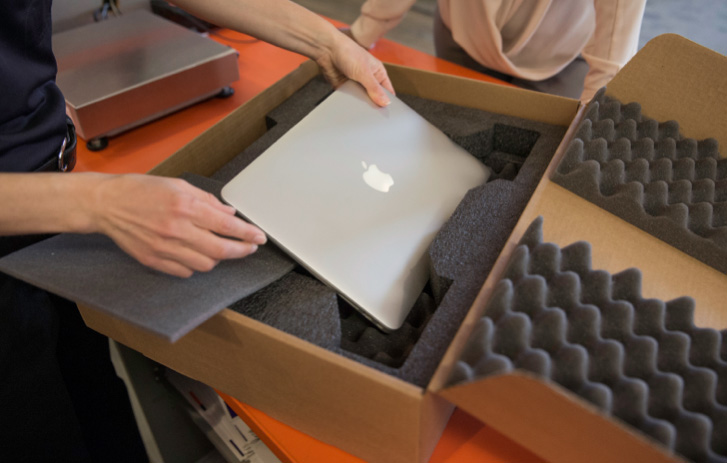
For many businesses, IT is the part of an office move that creates the greatest risk of disruption. Computers, monitors, networking equipment, phones, printers and servers should be included in the moving plan from the start. Decide which equipment needs to be disconnected, transported and reconnected, and who is responsible for each stage. Important systems may need to be backed up before equipment is moved. Your IT team or provider should also confirm what needs to be ready at the new office, including network connections, power, servers and other essential equipment.
If specialist IT equipment is involved, make its handling requirements clear to the removal team before moving day. The aim is to avoid a situation where staff arrive at the new office but cannot work because their equipment or network is not ready.
Decide What Happens to Office Furniture
Do not wait until moving day to decide which desks, chairs, cabinets and other furniture are going to the new office. Create a simple inventory and separate items into:
- Moving: Furniture that will be used at the new office.
- Storing: Items that are still needed but do not need to be kept in the office.
- Replacing or removing: Furniture that will not be needed after the move.
This can reduce unnecessary handling and help the removal team understand the size of the job. If there is a gap between leaving one office and moving into another, London Business Storage service can also provide an option for furniture or business items that need to be kept elsewhere temporarily.
Use Clear Labelling and Floor Plans
Good labelling can save a surprising amount of time during an office move. Give each room, department or work area a clear name or code. Then label boxes, furniture and equipment so the removal team knows where each item belongs. A floor plan of the new office can make this even easier. Mark where desks, meeting-room furniture, cabinets and other large items should go. For example, a box labelled “Finance – Room 2” gives much clearer instructions than one simply marked “Office”. This also helps staff settle in faster because belongings do not have to be moved around the building again after delivery.
Consider a Phased Office Move to Move Office Without Downtime
A phased move can be useful when the whole business cannot stop working at the same time. Instead of moving every department together, different teams can move on different dates or during separate periods. For example, one department could move first while another continues working from the existing office. This approach needs more coordination, but it can reduce the amount of work that has to happen at once.
A phased move can also be useful where the new office is being prepared in stages. Before moving each department, check that its desks, IT equipment and essential facilities are ready. The right approach depends on the size of the business, the layout of the buildings and how much work can realistically be paused.
Prepare for the First Day

The move is not finished when the last desk leaves the old office. Before the first working day, check the essentials. Staff should be able to find their desks, access the building and use the equipment they need. The first-day setup should cover:
- Desks and chairs in the correct locations
- Computers and monitors connected
- Network and internet access available
- Printers and shared equipment ready
- Meeting rooms usable
- Staff access and keys arranged
- Essential documents and supplies available
- Clear routes through the office
It is also useful to identify someone who can deal with problems on the first day. Small issues are easier to resolve when there is a clear person responsible for them.
Have a Contingency Plan
Even a well-planned office move can face unexpected problems. A delayed delivery, access issue, missing equipment or IT problem can affect the schedule. Your contingency plan should identify the most important risks and what you will do if they occur. For example, decide where staff can work temporarily if a department’s area is not ready. Keep essential documents and contact details accessible, and make sure key people know who to contact if something goes wrong. The goal is not to assume that everything will go perfectly. It is to make sure that one unexpected problem does not stop the whole business.
Work with an Office Removal Team
A well-organised office move combines business planning with practical moving logistics. Your team can prepare the business side, while an experienced removal company can help manage the physical move, furniture and access requirements. For a larger relocation, our London Office Removals service can be the appropriate starting point for planning the move around your business needs.
The main principle behind how to move office without downtime is simple: prepare the work before moving day, communicate clearly and make sure the new workplace is ready before staff arrive. The more decisions you make in advance, the less you need to solve while the business is trying to operate.





No comment