
West London covers a mix of busy town centres, leafy residential streets and well-connected neighbourhoods. If you are moving to West London, Ealing, Chiswick, Hammersmith and Acton are all worth considering, but they offer different day-to-day experiences. The right choice depends on your budget, commute, home and preferred lifestyle.
West London at a glance
Ealing offers a large town centre and parks; Chiswick has independent shops and established streets; Hammersmith is a transport hub; and Acton has varied homes and neighbourhoods. For anyone moving to West London, the best fit will depend on the exact street and daily routine.
| Area | General character | Transport highlights | Worth considering if you… |
|---|---|---|---|
| Ealing | Large town centre and quieter residential pockets | Elizabeth, Central and District lines at Ealing Broadway; other local stations | Want a choice of housing, shops and green spaces |
| Chiswick | High Road, cafés, leafy streets and riverside walks | District line, Overground at Gunnersbury and rail at Chiswick | Prefer a neighbourhood feel and local places to eat and shop |
| Hammersmith | Busy town centre with calmer residential streets nearby | District, Piccadilly, Circle and Hammersmith & City connections | Need flexible routes across London |
| Acton | Mixed town-centre, suburban and newer development areas | Elizabeth, Central, District and Piccadilly line stations, depending on location | Want to compare different property styles and commute options |
Moving to Ealing: space, shops and transport choices
Ealing is not one uniform neighbourhood. Ealing Broadway is the main town centre, with a shopping centre, supermarkets, restaurants, cafés and everyday services. It is convenient if you want many amenities within walking distance, although the streets closest to the centre are busier. Ealing Broadway station serves the Elizabeth line, Central line and District line. West Ealing also has Elizabeth line services, while Northfields and South Ealing are served by the Piccadilly line. Check the walk to your nearest station as well as the route itself.
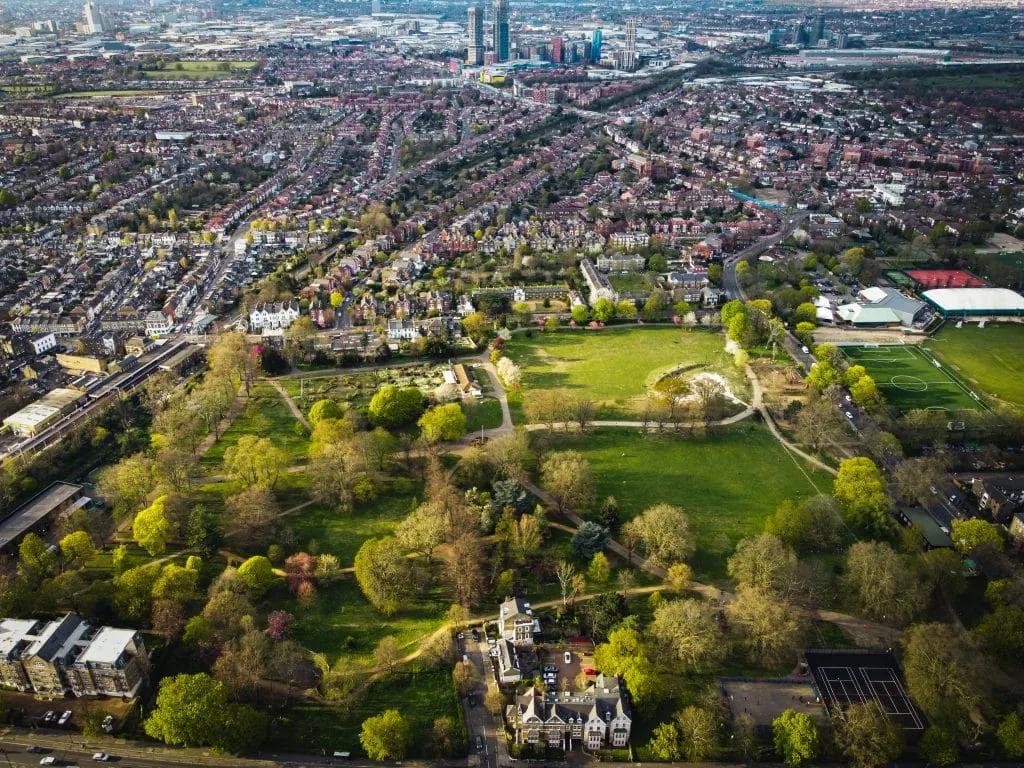
For a quieter setting, look at areas such as Pitshanger, Northfields, South Ealing and Ealing Common. Pitshanger has a local high street and a more residential feel. Northfields is centred around Northfield Avenue, where independent shops and cafés serve the surrounding streets. South Ealing has residential roads and access to local shops, while Ealing Common offers open space close to the town centre.
Walpole Park is close to Ealing Broadway, while Lammas Park, Pitshanger Park and Ealing Common offer other outdoor options. Housing ranges from period houses and converted flats to purpose-built blocks and newer apartments.Convenience varies: a home near Ealing Broadway may be busier, while a quieter street could mean a longer walk or bus journey. When moving to Ealing, compare the street as well as the postcode.
Moving to Chiswick: independent shops and residential streets
Chiswick High Road has independent shops, familiar retailers, cafés, restaurants and pubs. Much of the surrounding area is residential, with period terraces, larger houses, mansion blocks, converted flats and newer developments. Turnham Green and Chiswick Common are close to the High Road. Chiswick House and Gardens and the Thames riverside offer further places to walk, depending on where you live.
Transport depends on your exact location. Turnham Green, Chiswick Park and Stamford Brook are served by the District line. Turnham Green also has Piccadilly line services at certain times, so check the current timetable rather than assuming every train stops there. Gunnersbury provides District line and London Overground connections. Chiswick railway station, in the Grove Park area, is another option for some residents.
Chiswick may suit people who want local shops and restaurants alongside established residential streets. Homes close to the High Road are convenient but can be lively; properties further away may offer easier access to parks, the river or a different station. If you are moving to Chiswick, test the walk to the station, shops, school or workplace. Road crossings and bus connections can change how convenient a short distance feels.
Moving to Hammersmith: a strong choice for commuters
Hammersmith has one of the most useful transport hubs in this part of London. Its Underground connections include the District, Piccadilly, Circle and Hammersmith & City lines, although the Circle and Hammersmith & City services use a separate station entrance from the District and Piccadilly lines. This gives commuters a choice of routes towards central London and other parts of the capital.
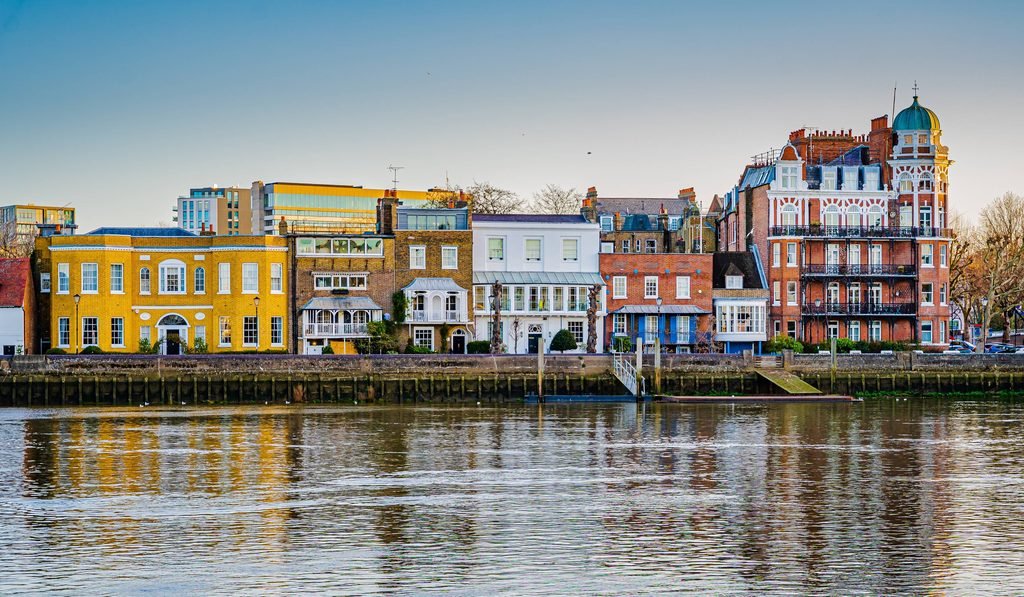
Hammersmith Broadway is busy, with shops, restaurants, offices, a bus station and the Apollo nearby. The centre is convenient but crowded at peak times. Nearby residential areas include Brook Green, Brackenbury Village and Ravenscourt Park. Ravenscourt Park offers space for walks and sport, while the Thames path provides riverside routes. Housing ranges from larger blocks and period conversions to Victorian and Edwardian houses. Hammersmith suits people who prioritise commuting and nearby services. Homes near the Broadway or major roads may be busier, so check noise at different times and consider the walk from the station.
Moving to Acton: different neighbourhoods, different lifestyles
Acton needs to be assessed street by street. Acton Central, North Acton, West Acton, East Acton and South Acton have different housing, transport and local character. Acton Central has a local high street and Mildmay line access. North Acton has newer apartment developments and the Central line. Acton Main Line is on the Elizabeth line, while Acton Town serves the District and Piccadilly lines. Check which station is convenient for your address.
Acton Park and Gunnersbury Park provide green space. Housing includes Victorian terraces, maisonettes, converted flats, purpose-built blocks and newer flats. The experience changes between locations. A home near a busy road or railway may feel very different from one on a quiet street. If you are moving to Acton London, walk the area and check the station route.
How to choose between these four areas
When moving to West London, start with your regular journey. Check the route from the property to work, school or university at your usual travel time, including changes and walking distance. Then decide what kind of home you need. Families may prioritise bedrooms and outdoor space, while someone moving into a first flat may prefer an apartment near a station. Check storage, lifts, stairs and shared entrances during viewings.
Budget matters, but avoid assuming that one whole neighbourhood is always cheaper than another. Property type, size, condition, distance from a station and the exact street all affect asking prices and rents. Compare similar homes using recent listings and, where possible, completed sale information. Also consider whether you want cafés and shops nearby, a quieter road, a park within walking distance, particular schools or accessible transport. These details will help identify the best places to live in West London for your needs.
Planning your move in West London

If you are moving to West London, check the practical details of the property before moving day. Flats may have narrow staircases, small lifts, shared entrances or restrictions on when large items can be moved. Houses may have limited space for a removal vehicle to stop near the front door.
Parking and loading rules vary by street. Check with the relevant council whether a permit or bay suspension is needed; do not assume a removal vehicle can stop outside. Tell your moving team about stairs, lifts, access codes, long carries and bulky furniture. This helps them plan the vehicle and loading approach. See our guide to choosing the right moving van size.
For a smaller move or a limited number of items, man and van services may be worth considering. If you are still comparing providers, read our guide to choosing a removal company in London. Whether you are moving to Ealing, Chiswick, Hammersmith or Acton, planning around the property and its street can make the day much easier. For help with your move, you might need a moving company that handles west London removals professionally. Tell us about your address, access, and moving requirements when requesting a quote.





No comment