
Preparing furniture properly before putting it into storage can help prevent scratches, stains, mould and other damage. Whether you are storing a few pieces during a house move or keeping furniture away for several months, it is important to clean, dry, protect and pack each item correctly.
The best way to prepare furniture for storage depends on its material, size and condition. Wooden furniture needs protection from moisture and sudden changes in temperature, while sofas and mattresses need to be kept clean and dry. Large items may also need dismantling to make them easier to transport and store. Follow these steps to prepare your furniture and help keep it in good condition until you need it again.
Clean All Furniture Before Storage
The first step in preparing furniture for storage is to clean it properly. Dust, food crumbs, grease and dirt can leave marks or attract pests if they remain on furniture for a long time. Use a suitable cleaning method for each material. Wipe wooden furniture with a soft, slightly damp cloth if appropriate, then dry it thoroughly. Clean metal surfaces according to the manufacturer’s guidance, and use a suitable upholstery cleaner on sofas and armchairs.
Pay attention to hidden areas, including the underside of tables, the backs of wardrobes and the gaps between sofa cushions. Remove loose crumbs and dust from drawers and cupboards before storing them. Avoid soaking furniture or using cleaning products that could damage its finish. If you use a liquid cleaner, follow its instructions and allow the item to dry fully before wrapping it. Never wrap damp furniture for storage. Trapped moisture can encourage mould, cause unpleasant smells and damage some materials.
Make Sure Everything Is Completely Dry
Drying is just as important as cleaning. Even a small amount of trapped moisture can cause problems when furniture is covered and left in storage for weeks or months. Check wooden surfaces, upholstery, cushions, drawers and any areas that may have become damp during cleaning. If furniture has been kept in a damp room or exposed to rain during a move, give it extra time to dry in a suitable, well-ventilated space.
Do not rely on a furniture cover to protect a damp item. A cover may trap moisture rather than allow it to escape. When choosing a storage unit, ask about its conditions and how moisture is managed. A clean, dry environment with suitable ventilation can help reduce the risk of damage. However, no storage arrangement can remove every risk, so it is important to prepare furniture properly before collection.
Protect Wooden Furniture
Wooden furniture needs particular care when you prepare it for storage. Changes in moisture and temperature can affect some wood finishes and may contribute to swelling, shrinking or cracking. Start by cleaning and drying the surface. If the manufacturer recommends a suitable furniture polish or protective product, apply it according to the instructions. Avoid using unfamiliar products that could leave a sticky residue or damage the finish.
Remove loose objects from tables, cabinets and shelves. Where possible, store wooden items away from direct contact with floors and external walls, following the storage provider’s guidance. Use soft furniture blankets or suitable protective materials to help prevent scratches. Avoid tightly sealing wooden furniture in plastic for long periods, especially if the storage conditions are not well controlled, as this can trap moisture. For valuable antiques or delicate wooden pieces, consider asking a specialist how best to prepare them before storage.
Clean and Cover Sofas, Chairs and Upholstered Furniture
Sofas, armchairs and upholstered dining chairs can collect dust, crumbs and odours while in use. Cleaning them before storage helps keep the fabric fresh and makes it easier to spot any existing stains or damage. Vacuum upholstery and remove loose cushions where possible. Check the manufacturer’s cleaning instructions before using any products, particularly on delicate fabrics or leather.
Allow the furniture to dry completely before covering it. Use a breathable furniture cover where suitable, rather than wrapping upholstery tightly in plastic for an extended period. This helps reduce the chance of moisture becoming trapped around the fabric. Keep cushions clean and dry, and avoid placing heavy objects on top of them if this could flatten their shape. If you are storing a leather sofa, follow the manufacturer’s care advice and avoid exposing it to unsuitable heat or damp conditions. Taking these steps can help protect furniture in storage and make it easier to use again when you bring it home.
Decide Whether to Dismantle Furniture
Should furniture be dismantled before storage? It depends on the item, its construction and the space available. Large wardrobes, bed frames, dining tables and desks may be easier to move and store when taken apart. Dismantling can also reduce the risk of damage when furniture needs to pass through narrow doorways or staircases.
However, not every item should be dismantled. Some furniture is designed to remain assembled, and taking it apart unnecessarily may weaken joints or damage fittings. If you decide to dismantle an item:
- Take photographs before removing any parts.
- Keep screws, bolts and fittings together in a labelled bag.
- Attach the bag securely to the relevant item where practical.
- Label panels and parts so you know how they fit together.
- Keep assembly instructions if you have them.
If you need help preparing furniture before it leaves your home, our furniture preparation for moving guide offers further advice on getting different items ready for transport.
Wrap Furniture to Prevent Scratches and Damage
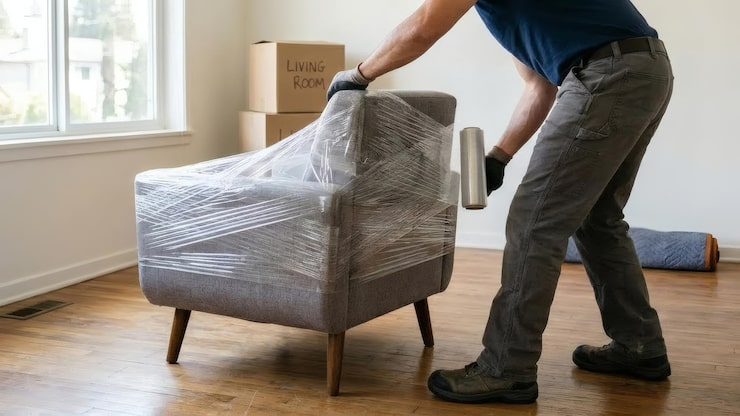
Wrapping is an important part of packing furniture for storage. The right materials help protect surfaces from knocks, dust and scratches while items are being moved or stored. Use furniture blankets, padded covers or other suitable protective materials for larger pieces. Pay particular attention to corners, legs, handles and decorative details, as these areas can be easily damaged.
For glass panels and mirrors, use suitable protective packaging and keep them secured appropriately. Do not place heavy items on top of delicate furniture or leave loose parts where they could rub against finished surfaces. Plastic wrapping may be useful in some situations, particularly for protection during transport, but it should not be used in a way that traps moisture around furniture for long periods. Choose materials based on the item’s surface and the storage conditions. Before wrapping an item, make sure it is clean and dry. Check that the protective material is secure without putting unnecessary pressure on fragile parts.
Prepare Drawers, Wardrobes and Cabinets

Storage furniture needs a little extra preparation before it is moved. Empty drawers, wardrobes and cabinets unless your storage provider specifically confirms that a different arrangement is suitable. Leaving belongings inside can add weight, put pressure on joints and cause drawers or doors to move during transport.
Secure doors and drawers carefully so they do not swing open or slide out. Use suitable protective materials, but avoid strong adhesive tape directly on finished surfaces, as it may leave marks or remove the finish. Keep shelves and removable components together and label them where necessary. If a wardrobe is dismantled, store its panels and fittings together to make reassembly easier. These simple steps can help protect both the furniture and the items around it.
Arrange Furniture Safely in Storage
Once your furniture is prepared, consider how it will be placed inside the storage unit. Heavy items should be positioned securely, and fragile pieces should not be placed where they could be knocked or crushed. Avoid stacking furniture in a way that puts pressure on weak areas. For example, do not rest heavy boxes on upholstered seating or delicate tabletops. Keep furniture stable and leave access where needed, rather than filling every gap without a plan.
Follow the storage provider’s advice on ventilation, floor contact and placement near walls. Avoid storing furniture in a damp environment, and check the unit’s conditions if your belongings will remain there for an extended period. If you are storing furniture because your moving dates do not match, our guide to storage between house moves explains how to plan collection, storage and delivery around your completion dates.
Arrange Packing and Storage Support
Preparing several large pieces of furniture can take time, particularly if you are moving house, working to a deadline or storing belongings for months. A London packing Service may help with suitable packing tasks, while storage services across London can be worth exploring if you need somewhere to keep your belongings temporarily. Before booking, confirm what is included, which items are accepted, how your furniture will be protected and whether collection and delivery can be arranged. Tell the provider about delicate materials, valuable items, existing damage and any furniture that needs dismantling. This allows the team to discuss suitable arrangements before moving day.
Keep Your Furniture Ready for Its Next Home
The most important steps when learning how to prepare furniture for storage are to clean it, dry it thoroughly, use suitable protective materials and choose appropriate storage conditions. Dismantle only what needs to be taken apart, keep fittings together and arrange items so they remain stable. A little preparation before storage can help reduce the risk of damage and make moving your furniture back into your home much easier.





No comment