
Preparing furniture for moving helps protect it from scratches, loose parts and damage during transport. The right preparation also makes loading and unloading easier, whether you are moving a few large items or an entire house. Start by emptying furniture, checking which parts need to be removed and protecting exposed surfaces. Some items can travel in one piece, while others are safer when partly dismantled. The best approach depends on the furniture’s size, weight, design and condition. This guide explains how to prepare wardrobes, beds, tables, desks, drawers, shelving, sofas and cabinets before moving day.
Start With These Furniture Preparation Steps
Before preparing individual items, work through a few basic steps.
- Empty every item of furniture. Remove clothes, books, paperwork, ornaments and other loose belongings. Moving a full wardrobe or chest of drawers makes it heavier and can put extra strain on joints and runners.
- Check for loose or damaged parts. Look for loose handles, wobbly legs, cracked panels and weak joints. Make a note of existing damage before the move.
- Decide what needs dismantling. Furniture does not always need to be taken apart. If an item is sturdy, manageable and suitable for transport in one piece, leaving it assembled may be the better option.
- Protect the surfaces. Use suitable furniture blankets, protective wrapping or padded covers to reduce the risk of scratches, scuffs and marks.
If you are also preparing smaller belongings, see our packing service for more advice on organising items before moving day.
How to Prepare Wardrobes for Moving

Wardrobes can be heavy and awkward to handle, especially large models with several doors or mirrored panels. First, remove all clothes, shoes and accessories. Take out loose shelves, hanging rails and internal drawers if they can be removed easily. Keep these parts together so they can be put back in the correct places. Should wardrobes be dismantled before moving? Not always. Smaller, sturdy wardrobes may be suitable for transport assembled, depending on their construction and the moving arrangements. Large flat-pack wardrobes often benefit from partial or full dismantling, as their joints and panels may not be designed to withstand being carried while assembled.
If dismantling is necessary, follow the manufacturer’s instructions where available. Protect mirrors and glass panels with suitable padding, and make sure doors cannot swing open during handling. Do not rely on tape directly on delicate finishes, as it may leave marks.
Prepare Beds and Bed Frames
Beds often need some dismantling to make them easier to handle and protect their joints. Remove bedding, pillows and the mattress first. If the bed has a separate base, headboard or footboard, check how these parts connect. Take apart the frame where necessary, following the manufacturer’s instructions.
Keep slats together and place bolts, screws and brackets in a labelled bag. If the frame has a particular arrangement, take a quick photo before dismantling it. This can make reassembly much easier. Mattresses should be kept clean and dry, ideally in a suitable mattress cover. Avoid bending a mattress unless its manufacturer confirms that it can be bent safely. Store all frame parts together rather than leaving them spread across different rooms.
Get Tables and Desks Ready
Tables and desks can often be prepared by removing their legs, but this depends on how they are built. Clear the surface and empty any drawers or storage compartments. For a dining table, check whether the legs can be unscrewed without damaging the frame. Some tables have fixed legs or complex fittings that should be left to someone with the right experience.
Protect wooden, glass or polished surfaces with suitable padding. Do not place heavy items on top of a protected table, and avoid putting tape directly on the finish. For desks, remove loose accessories, cable trays and detachable organisers where appropriate. Keep screws and fittings labelled, and make a note of any parts that must be fitted in a particular order. If the desk has an integrated electrical system, disconnect it safely before preparation begins.
Empty and Prepare Drawers
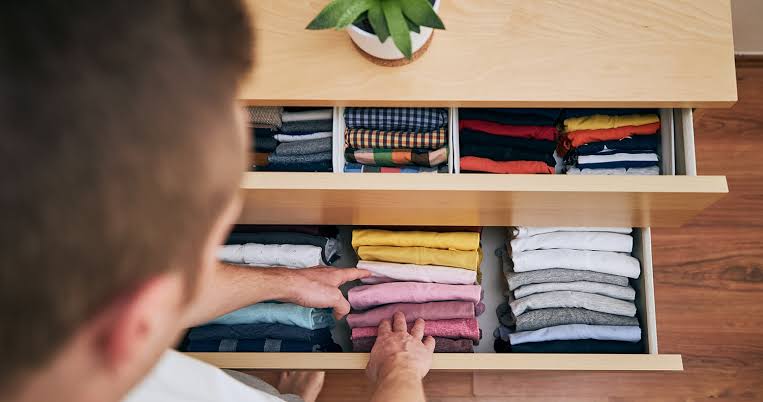
Should drawers be removed before moving furniture? Often, yes, particularly when a chest of drawers is tall, heavy or difficult to handle. Remove the contents first. If the drawers slide out easily, take them out and keep them separate from the main unit. This reduces weight and helps prevent drawers from sliding open or placing extra strain on the runners.
If the drawers are fixed in place or difficult to remove, do not force them. Ask your removal team how they would prefer the item to be prepared. Protect the outside of the chest with furniture blankets or suitable wrapping. Keep removable drawers together and label them by item or position, especially if they are different sizes.
Prepare Shelving Units
Bookshelves and other shelving units should be emptied completely before moving. Books and heavy objects can make a unit much harder to handle and may place pressure on the shelves. Remove loose shelves, shelf pins and detachable backing panels where appropriate. If a unit is flat-pack furniture, check whether it needs dismantling before transport. Some units lose stability when moved assembled, particularly if their joints or backing panels are weak.
Keep shelf supports in a labelled bag and secure them with the other fittings. Protect corners and edges, which can chip or split if knocked. Do not dismantle built-in shelving or fixed wall units without checking how they are attached and whether professional help is needed.
Protect Sofas Before Moving
Most sofas do not need dismantling, but preparation depends on their design. Remove cushions, throws and loose covers. If the feet can be removed easily and doing so helps with transport, keep them in a labelled bag. Check whether the sofa has detachable sections or reclining parts that need special handling.
Use a suitable sofa cover or protective wrapping to guard against dirt, dust and scuffs. Add extra protection around exposed corners and delicate upholstery. Leather and other sensitive finishes may need materials suited to their surface, so avoid wrapping them tightly in unsuitable plastic for long periods. For reclining sofas or models with electrical features, follow the manufacturer’s guidance when disconnecting components. Do not pull a sofa by its arms or back, as these may not be designed to support its full weight.
Get Cabinets Ready for Transport
Cabinets can contain a mix of doors, shelves, drawers and glass panels, so check each item before preparing it. Remove everything from inside, including loose shelves and objects stored at the back. Take out removable drawers where practical, and secure doors so they cannot swing open. If doors or handles are detachable, remove them only when necessary and store their fittings safely.
Glass-fronted cabinets need particular care. Tell your removal team about glass panels, mirrors or other delicate features before moving day. Use suitable protection and avoid placing pressure on glass surfaces. Do not dismantle a cabinet simply because it looks easier. Some units rely on their assembled structure for stability, and taking them apart incorrectly can weaken the joints.
How to Store Screws and Furniture Fittings
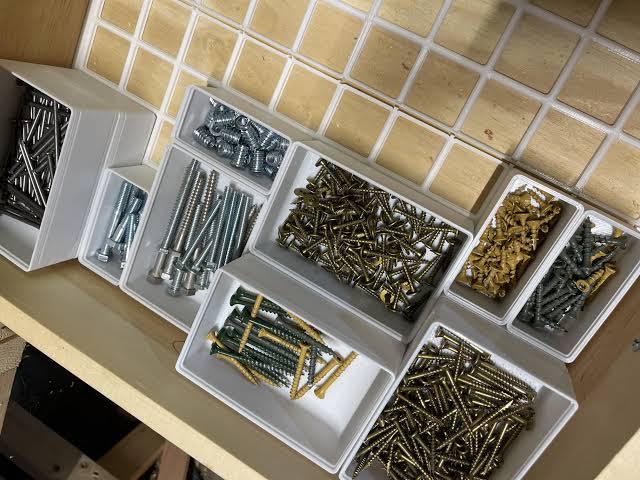
Losing a few screws can turn a straightforward reassembly into a frustrating job. Keep every fitting organised as you prepare furniture for removal. Use a separate, labelled bag for each item. Write the furniture name and the part the fittings belong to, such as “bed frame – headboard bolts”. Include shelf pins, brackets, handles and small connectors where needed. Keep the bags together in a clearly marked box rather than leaving them inside dismantled furniture. If several pieces look similar, label their panels and take photos before taking them apart.
What Should You Leave to Professional Movers?
You can usually empty furniture, remove loose belongings and organise small fittings yourself. However, not every preparation job should be done without help. Leave complex dismantling, heavy or unstable furniture, large mirrored wardrobes and delicate items to trained professionals where appropriate. Avoid dismantling expensive, antique or built-in furniture unless you understand how it is constructed. If an item has electrical features or specialist fittings, check the manufacturer’s instructions or ask for professional advice.
Professional movers can assess which items need dismantling and use suitable furniture blankets, protective wrapping and handling methods. Tell them about fragile finishes, existing damage and any furniture that needs special attention before moving day.
Final Checks Before Moving Day
Before your removal team arrives, make sure furniture is empty, loose parts are organised and removable components are clearly labelled. Check that surfaces are ready for protection and tell the team about any items that need special care. If you are unsure which furniture can travel assembled, ask before taking it apart. Your removal team can advise on preparation based on the items being moved and the service you have booked.
For help planning the transport, use our van size guide to understand what may be needed for your belongings. If you need support with larger items or a full household move, explore our house removals service to discuss your requirements.





No comment