

Moving house can be stressful for pets because their familiar surroundings, smells and routines suddenly change. Cats can be particularly unsettled by unfamiliar places, while dogs may react to changes in routine and the activity around moving day. If you are moving house with pets, UK families, the best approach is to prepare them separately from the rest of your move. Think about what your cat or dog needs before, during and after the move, rather than treating them as another item to pack. With some preparation, you can make moving pets to a new home safer and give them time to adjust at their own pace.
Preparing Your Pet several Days Before Moving
Your pet may notice that something is different before moving day arrives. Boxes appear, furniture moves and people may spend more time than usual preparing the house. Try to keep their normal routine as consistent as possible. Feed them at their usual times, keep regular walks for dogs and give cats access to familiar areas for as long as practical.
Do not suddenly change food, bedding or other familiar items unless necessary. Familiar smells can help reduce stress when your pet eventually arrives at the new home. If your pet is particularly anxious about travel or changes in their surroundings, speak to your vet before the move. They can provide advice based on your pet’s individual needs.
Keep Routines as Normal as Possible
Routine is particularly useful when moving house with a cat or a dog. For dogs, try to maintain normal walks, meal times and rest periods. Avoid making the days before the move unusually different if you can. Cats can benefit from having their normal sleeping areas, food and water arrangements and familiar belongings kept in place until you are ready to move them. The aim is simple: although the house is changing, as much of your pet’s normal routine as possible should remain the same. If you are also organising the wider move, your moving house in London checklist can help with the general moving tasks. Keep your pet’s needs as a separate part of your moving plan.
Prepare a Pet Travel Kit
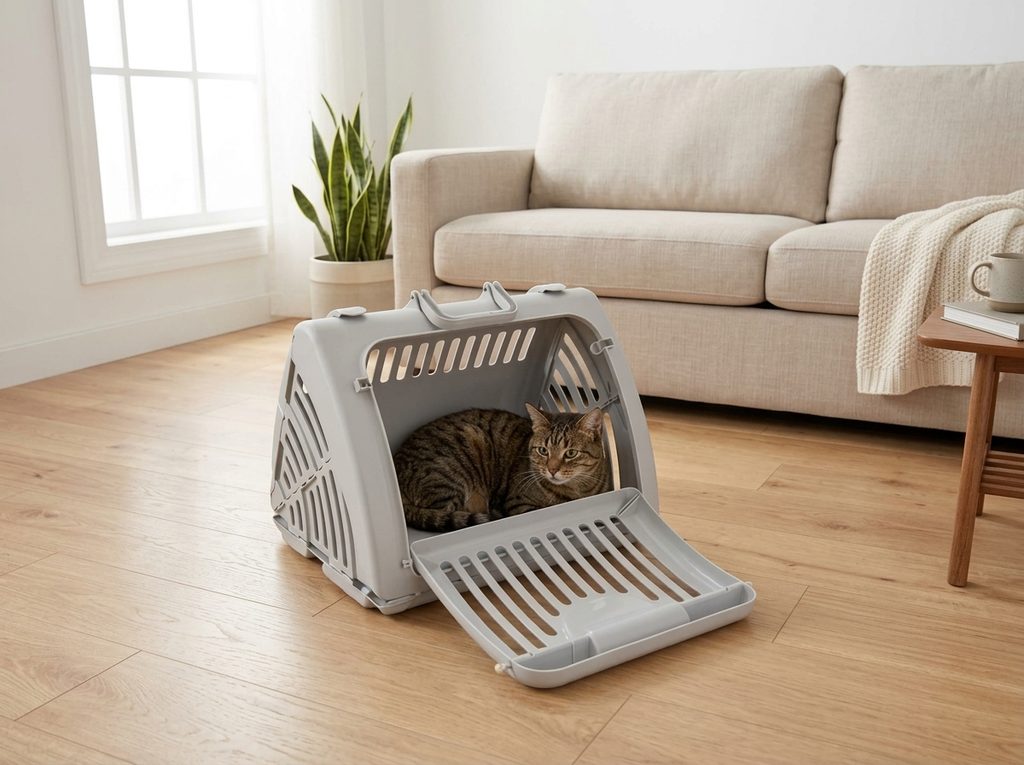
Prepare everything your pet will need for the journey before moving day. A useful pet travel kit can include:
- A suitable pet carrier or secure travel arrangement
- Familiar bedding or a blanket
- Food and water
- Food and water bowls
- Lead and collar or harness for dogs
- Any regular medication
- Pet food for the journey and first day
- Cleaning supplies
- Favourite toys
- Vet and identification details
Keep these items together so they are easy to find. Do not pack familiar bedding and favourite toys into the removal van if your pet will need them during the journey or immediately after arrival.
What Should Pets do on Moving Day?
Moving day can be noisy and confusing. Doors may stay open, furniture will be moved and unfamiliar people may be coming in and out of the property. The safest option is usually to keep your pet away from the main moving activity. A cat or dog should have a secure, quiet area where they cannot escape through an open door or get under the feet of movers. Depending on your circumstances, this could be a closed room away from the busiest part of the house or another safe arrangement away from the property.
Make sure everyone involved knows where the pet is. A simple sign on the door can help prevent someone accidentally opening it. This is especially important for cats, which may try to hide or escape when they are frightened.
Should Pets be Transported Separately?
In most cases, pets should have their own safe travel arrangement rather than being placed in a removal vehicle with household belongings. Cats are normally transported in a secure pet carrier. Dogs should travel using a safe arrangement suitable for the individual dog and the journey.
The exact method depends on the pet, distance and circumstances, so consider your pet’s normal travel habits before moving day. If your pet becomes anxious during journeys, ask your vet for advice before travelling. Keeping pets separate from the removal process also means they are not exposed to unnecessary noise, movement or the risk of an open door while furniture and boxes are being loaded.
Set Up a Safe Room at the New Home
One of the easiest ways to help a pet adjust is to prepare a safe room before they arrive. A safe room should contain the things your pet needs, along with familiar items that smell like home. For a cat, this might include bedding, food, water, a litter tray and familiar toys. For a dog, include familiar bedding, water, food and other belongings that help them feel comfortable.
Keep the room quiet and away from the main unloading activity. This means your pet can settle while furniture is being carried into the property. It also reduces the chance of a frightened animal escaping while doors are open.
Helping a Cat Settle After Moving House
Cats can take time to become comfortable in a new home. Rather than giving them access to the whole property immediately, allow them to explore gradually when they appear ready. Start with their safe room and keep familiar items around them. Their normal food, bedding and routine can provide useful continuity.
Once your cat seems comfortable, you can gradually allow access to other areas of the home. Be particularly careful with doors and windows during the first period after the move. A cat that is unfamiliar with its surroundings may behave differently from normal. If you have concerns about your cat’s behaviour or wellbeing after the move, contact your vet.
Helping a Dog Settle After Moving House
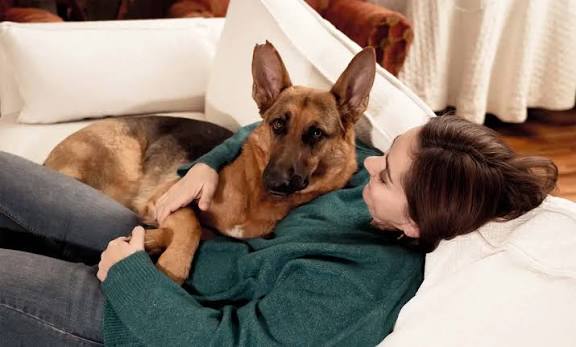
Dogs may respond to a new home in different ways. Some will quickly investigate every room, while others may need more time. Keep their routine as familiar as possible. Maintain regular meal times and walks, and give them a familiar place to rest.
Allow your dog to explore without forcing interaction with every new person or unfamiliar object. Your presence and familiar belongings can help make the new environment feel more normal. Try to avoid making too many other changes at the same time. A new home is already a significant change, so keeping daily routines predictable can make the adjustment easier.
Common Mistakes When Moving with Pets
One common mistake is leaving pet arrangements until the last minute. Moving day is already busy, so decide in advance where your pet will stay and how they will travel. Another mistake is packing away everything familiar. Keep bedding, toys and essential supplies available rather than putting them into boxes.
It is also easy to forget about doors and escape routes. During loading and unloading, doors may be open much more often than usual, so make sure your pet cannot accidentally get outside. Finally, avoid expecting your pet to settle immediately. Some animals adapt quickly, while others need more time.
Make the Move Easier for Your Pet
The most important part of moving house with pets in UK households is to separate your pet’s experience from the main removal activity. Keep their routine as normal as possible before the move, prepare a travel kit, keep them secure during loading and unloading, and create a familiar safe room at the new home. If you are arranging a wider move, a professional flat removals London service can handle the household move while you focus on keeping your pet calm and secure.
For larger moves, choosing a reliable removals company in London can also help you plan the practical side of moving day so there is less for you to manage while looking after your pet. Your pet does not need to understand why everything is changing. They simply need a safe journey, familiar things around them and enough time to feel at home again.



No comment