

Knowing what not to pack when moving house is an important part of planning a safe removal. Not everything in your home should go into a removal van. Some items can create safety risks, some may be restricted by transport rules, and others are better kept with you rather than placed with your household belongings. There is no single list that applies to every removal company. Policies can vary, particularly for chemicals, gas cylinders, plants and other unusual items. If you are unsure about something, tell the removal company before moving day rather than putting it into a box without checking.
As a general rule, flammable liquids, hazardous materials, gas cylinders and certain chemicals should not be placed in a standard removal vehicle without checking first. These are the main things you should not pack when moving house. Also personal valuables, important documents and medication should normally stay with you.
What Not to Pack When Moving House: Items Commonly Restricted by Removal Companies
Most household furniture, clothing, books, kitchenware and ordinary household belongings can usually be moved as part of a standard removal. The difficulty starts with items that could be dangerous, leak, spoil, cause damage or require specialist transport. Common examples of items that may be restricted include:
- Petrol, diesel and other fuels
- Paint, thinners and some solvents
- Gas cylinders and pressurised containers
- Strong chemicals and some cleaning products
- Fireworks and explosives
- Certain pesticides and poisons
- Items that may require specialist transport
- Personal valuables and important documents
The exact list depends on the removal company and the nature of the item. UK dangerous-goods rules also classify materials according to hazards such as flammable liquids, gases, toxic substances and corrosive materials.
Flammable and Hazardous Materials
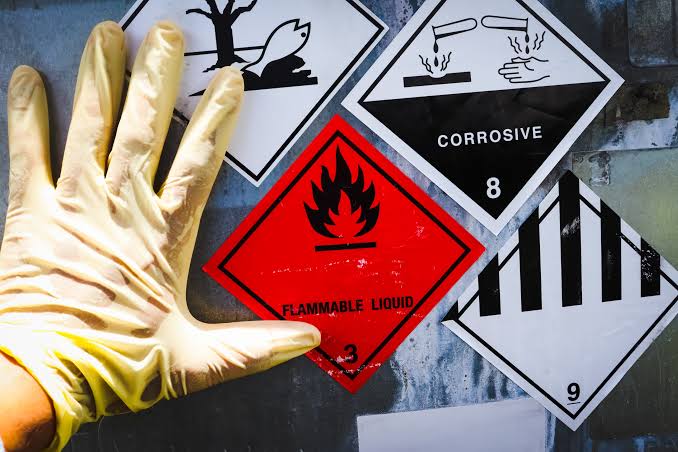
Flammable liquids are among the clearest examples of prohibited items for removals or what not to pack when moving house. These can include petrol, diesel, some fuels, paint thinners, white spirit, certain solvents and other products carrying appropriate hazard warnings. Other hazardous materials can include explosives, fireworks, certain pesticides, poisons and substances that are toxic, corrosive or otherwise dangerous.
You should not assume that a household product is safe to put in the removal van simply because you use it at home. A product’s transport requirements can be different from its normal household use. UK guidance treats dangerous goods as a regulated category for transport, with different requirements depending on the type and quantity of material. If you have a potentially hazardous product, tell the removal company what it is and follow their advice.
Gas Cylinders and Pressurised Containers
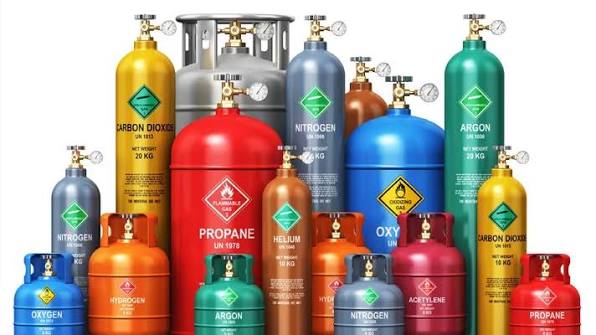
Gas cylinders are another important category when considering what movers cannot move. This can include cylinders used for barbecues, camping equipment or other domestic purposes. Pressurised containers and some fire extinguishers can also require special arrangements. Do not simply put a gas cylinder into the moving van with your other belongings.
Gas cylinders fall within dangerous-goods transport rules, and UK guidance specifically recognises gases as a regulated dangerous-goods class. If you have a cylinder that needs to be moved, ask the supplier, removal company or another appropriate service what arrangement applies. Depending on the item, returning it to the supplier may be more appropriate than transporting it as part of a household removal.
Can I Put Cleaning Products in a Moving Van?
This is one of the most common questions about things not to put in a moving van. The answer depends on the product. Ordinary household cleaning products may not all be prohibited, but strong drain cleaners, solvents, paint strippers, industrial cleaning products and other hazardous chemicals may be unsuitable for a standard removal vehicle.
Products with strong hazard warnings deserve particular attention. For example, UK government guidance identifies strong corrosive products such as some drain cleaners and industrial cleaning agents as substances that can present significant hazards. If you have several cleaning products, do not assume that they can all travel with your household belongings. Give the removal company a list or photographs of anything you are unsure about and ask before moving day.
Personal Valuables and Important Documents
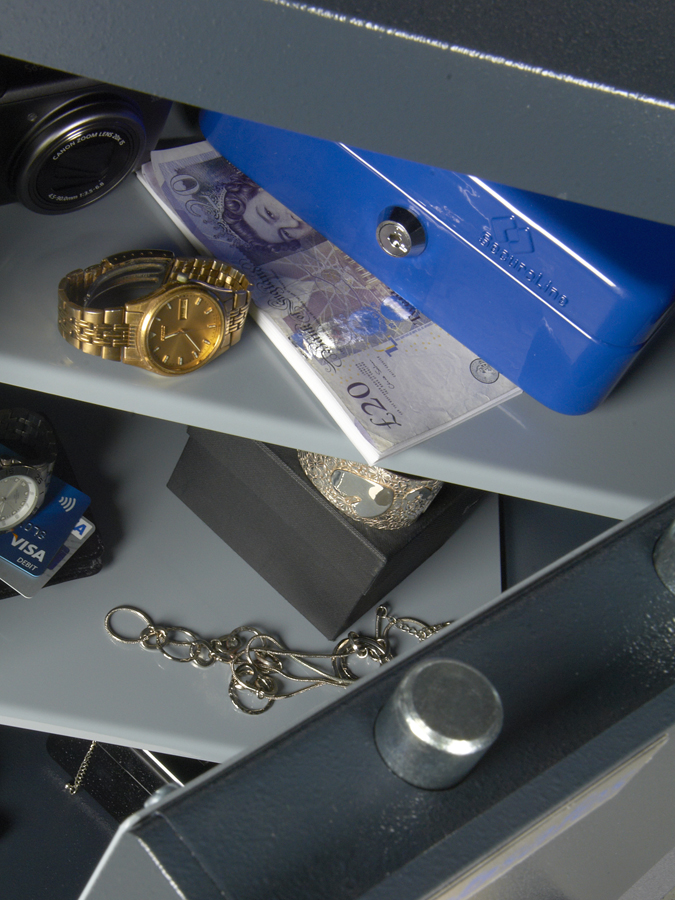
Not everything that should stay out of a removal van is dangerous. High-value or irreplaceable personal items are generally better kept with you. This can include:
- Passports and identity documents
- Birth certificates
- Property documents
- Financial records
- Jewellery
- Cash
- Small valuable electronics
- Important keys
- Personal records
The reason is simple: these items are often difficult or impossible to replace quickly. Keeping them with you also means you can access them immediately after arriving at your new home instead of searching through boxes.
Medication
Medication is another category that is better kept under your control during a move. Keep regular medication, prescriptions and other essential medical items with you rather than placing them in the removal van. This is particularly important if you need medication during the journey or shortly after arriving at the new property. You should also keep any necessary instructions or prescription information accessible. The removal company may have its own rules around medicines and medical products, so ask before moving anything unusual.
Food and Perishables
Food is not usually a safety issue in the same way as fuel or chemicals, but it can still be unsuitable for a removal van. Fresh meat, dairy products, frozen food and other perishables can spoil if they are kept without suitable temperature control for too long.
For a short move, some ordinary cupboard food may be practical to transport, depending on the removal company’s policy. However, avoid putting food into the removal van without considering how long it will be there and whether it could leak, break or attract pests. You may prefer to use up perishable food before moving day and transport any remaining essentials yourself.
Plants and Other Items That Need Special Arrangements
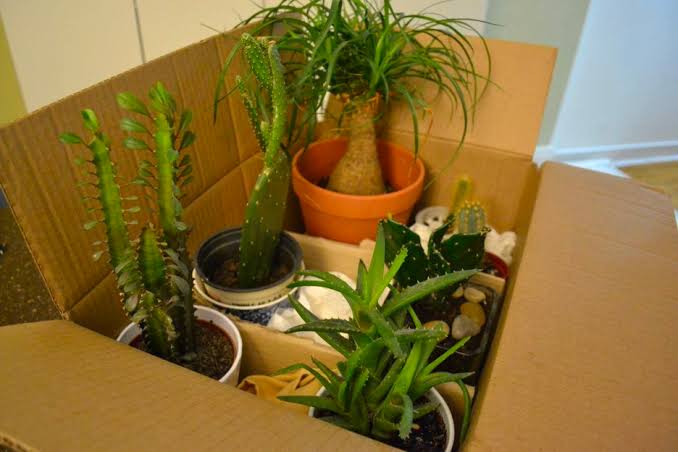
Some belongings are not necessarily prohibited but may require special arrangements. Plants are a good example. Their condition can be affected by temperature, movement and the length of the journey. The removal company may also have its own policy on transporting plants. We suggest you take a look at our guide to moving house with plants.
Other examples can include unusually large or heavy items, specialist equipment, certain batteries and items containing hazardous substances. The important distinction is between an item that cannot be transported, an item that may require special handling, and an item that the company simply does not accept under its standard service. Ask before the move rather than making assumptions.
Can Movers Take This?
| Item | Can it go in a standard removal van? | What to do |
|---|---|---|
| Normal household furniture | Usually | Include it in your removal booking |
| Clothing and books | Usually | Pack as normal |
| Petrol or diesel | Usually no | Ask about safe disposal or an appropriate alternative |
| Paint and solvents | Often restricted | Check with the removal company |
| Gas cylinders | Often restricted | Ask the supplier or removal company |
| Strong chemicals | Often restricted | Check before moving |
| Jewellery and cash | Better kept with you | Transport personally |
| Passports and important documents | Better kept with you | Keep accessible |
| Essential medication | Better kept with you | Carry it personally |
| Fresh or frozen food | Depends | Consider transporting separately |
| Plants | Company-specific | Confirm before booking |
| Fireworks or explosives | No standard removal | Use an appropriate specialist or disposal route |
This table is a guide rather than a universal list. Transport requirements can depend on the material, quantity and circumstances, while individual removal companies can set their own terms.
What Should You Transport Yourself?
A simple rule is to keep essential, valuable and time-sensitive items with you. That normally means documents, cash, jewellery, medication, keys and anything you may urgently need when you arrive.
You may also choose to transport some food, plants or personal electronics yourself if the removal company does not accept them or if you want greater control over their journey. For everything else, confirm whether it is suitable for the removal service before moving day.
What Should You Do with Restricted Items?
Do not leave restricted items until the morning of your move. Make a list of anything that could be questionable and ask your removal company in advance. They can tell you whether an item is accepted, requires special arrangements or needs to be removed from the household load.
For hazardous materials, use the appropriate disposal or collection route rather than putting them into general household waste or a removal vehicle. Local councils may provide specific services for household hazardous waste, including certain chemicals and gas-related items.
Do Not Confuse Restricted Items with Fragile Items
Knowing what not to pack when moving house is different from knowing how to protect something that can be moved. Your fragile belongings may be perfectly suitable for a removal van but still need careful handling. For advice on choosing between different professional packing options, see our fragile packing guide.
The same principle applies to office and household removals. If you are planning a larger move, our office removals and house removals services can help you plan what needs to be transported and identify any unusual items before moving day. The safest approach is simple: if you are unsure whether an item belongs in the moving van, ask before the move. Do not assume that something is acceptable just because it is a normal household product. Checking early gives you time to find a suitable alternative and prevents an unexpected problem when the removal team arrives.



No comment