
If you are planning to clear a property, you may be wondering what house clearance companies can take. Most house clearance services can remove a range of unwanted belongings, including furniture, household contents, appliances, and some garden items. However, certain materials and bulky objects may need special arrangements, while hazardous waste may be excluded.
Knowing what can be removed during house clearance helps you prepare a clear list of items before booking. It also helps you avoid delays on the day. In general, items fall into three groups: accepted items, restricted items that need to be checked in advance, and excluded items that a company cannot take. The exact rules depend on the provider, the type of waste, and the arrangements available for handling and disposal.
Furniture: Usually Accepted
Furniture is one of the most common types of items collected during house clearance. Companies may remove individual pieces or clear furniture from several rooms, depending on the service you book. Commonly accepted furniture includes:
- Sofas, armchairs and footstools
- Beds, mattresses and bed frames
- Wardrobes, chests of drawers and bedside tables
- Dining tables, chairs and desks
- Bookcases, cabinets and shelving units
- TV stands and other living room furniture
If you are asking what can house clearance companies take from a furnished property, most standard furniture is worth including on your initial list. However, very heavy items or furniture in poor condition may need extra planning.
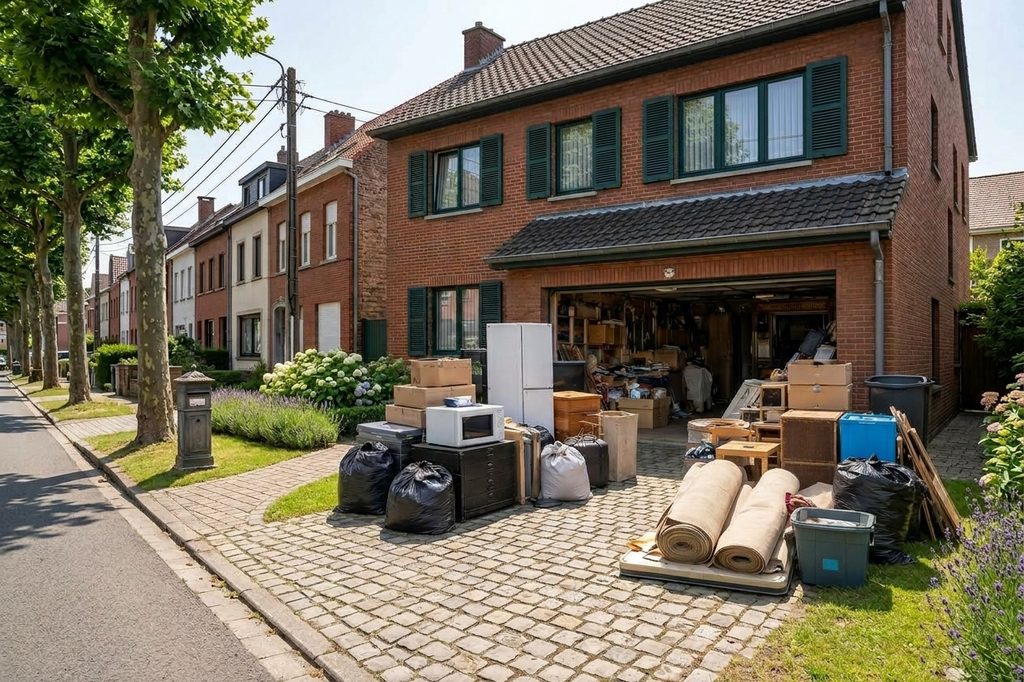
Tell the company about oversized pieces, upper-floor rooms and narrow staircases before booking. Some furniture may be suitable for reuse or donation, depending on its condition and the receiving organisation’s requirements. Damaged or unsuitable pieces may need to be recycled or disposed of appropriately.
Appliances: Check Before Booking
Many house clearance companies accept household appliances, but acceptance depends on the type of appliance and the company’s facilities and waste-handling arrangements. Items that may be accepted include:
- Washing machines and tumble dryers
- Fridges and freezers
- Cookers and ovens
- Dishwashers
- Microwaves
- Small kitchen appliances, such as kettles and toasters
Can house clearance companies take kitchen appliances? Often, yes, but you should confirm this before the collection date. Fridges and freezers may require specific handling because of their refrigerants, while washing machines and cookers can be heavy and difficult to move.
If an appliance is connected to gas, water or fixed electrical wiring, arrange for a suitable qualified professional to disconnect it where required. Do not assume the clearance team will carry out this work. Explain whether each appliance is freestanding, built-in, or still connected. This allows the company to confirm what it can remove and whether additional arrangements are needed.
Household Contents: Often Accepted
House clearance is not limited to large furniture. Depending on the service, a company may also collect everyday belongings from cupboards, drawers, lofts and other storage areas. These can include:
- Books, ornaments and decorations
- Clothes, shoes and accessories
- Kitchenware, crockery and cutlery
- Bedding, towels and curtains
- Toys and general household belongings
- Rugs and smaller furnishings
When deciding what can house clearance companies take, remember that the condition and material of each item can affect how it is handled. Some belongings may be suitable for reuse, while others may need recycling or disposal. Before the clearance, separate anything you want to keep, sell, donate or give to family members. This is especially important when clearing a property after a relative has moved into care or passed away. Remove important documents, photographs, cash, jewellery and other personal valuables before the team arrives. Do not leave them mixed in with unwanted household contents.
Garden Items: Accepted in Some Cases
Some providers offer garden clearance alongside indoor house clearance, but this is not always included as standard. Items that may be accepted include:
- Garden furniture and outdoor chairs
- Plant pots and garden ornaments
- Barbecues, subject to their condition and fuel arrangements
- Garden tools and non-hazardous equipment
- Broken outdoor furniture and other bulky items
Soil, rubble, large quantities of green waste and heavy garden materials may require a separate service. Sheds, play equipment and other large structures may also need dismantling. If you want a company to clear both the house and garden, list the outdoor items separately. Ask whether they can be included in the same booking or need a different collection arrangement.
Electrical Equipment: Confirm the Details
Electrical equipment is another category to discuss when checking what can be removed during house clearance. Many companies can collect ordinary household electrical goods, provided they have suitable arrangements for handling them. Examples include televisions, computers, monitors, printers, lamps and other electrical equipment.
Electrical and electronic waste must be handled in line with the relevant waste rules. Some items may be suitable for reuse, while others need an appropriate recycling route. Remove personal data from computers, phones and storage devices before collection. If an item contains a battery, mention this when booking, especially if the battery is damaged, swollen or leaking.
For large quantities of office equipment or specialist electronics, explain exactly what you have. Do not assume these items can be treated like ordinary household waste.
Bulky Items: Advance Notice May Be Needed
House clearance companies may remove bulky items that are difficult to dispose of through ordinary household waste collections. However, their size, weight, material and location can affect whether collection is possible. Examples include large wardrobes, heavy cabinets, exercise equipment, large mirrors and oversized belongings.
Some items may need dismantling, while others may require extra staff or suitable equipment. Narrow hallways, steep stairs and limited access can also affect removal. Measure unusually large items and mention any tight turns or staircases. The company’s van size guide may help you understand vehicle capacity, although the size of the van alone does not determine whether an item can be removed safely.
Hazardous Materials: Usually Restricted or Excluded
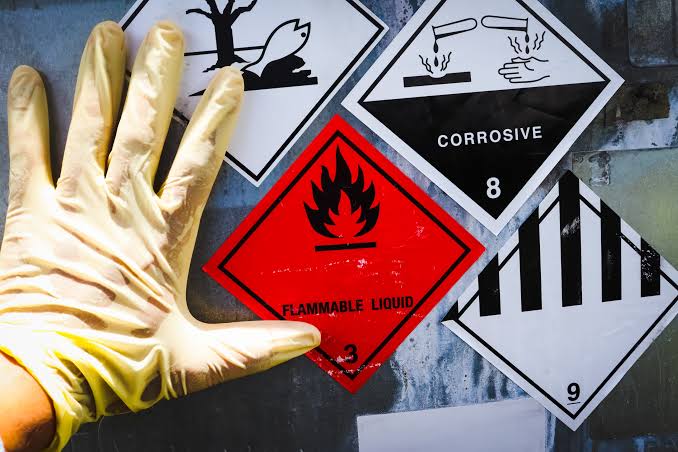
Hazardous materials need particular care because they can pose risks to people, vehicles and the environment. A standard house clearance service should not be assumed to accept them. Potentially restricted or excluded items include:
- Petrol, diesel and other fuels
- Gas cylinders and pressurised containers
- Paints, solvents and certain chemical products
- Pesticides and hazardous garden chemicals
- Asbestos-containing materials
- Certain oils, batteries and other hazardous waste
What can’t a house clearance company take? The answer depends on the material and the company’s permissions and facilities. Some items may require a specialist waste contractor, while others cannot be accepted at all. Never hide hazardous materials among ordinary household belongings. Tell the company what you have and ask how it should be handled. For suspected asbestos or unknown chemical substances, seek advice from an appropriate specialist rather than attempting to move or dispose of them yourself. We suggest you take a look at our guide to what not to pack when moving house.
Items That Need Special Arrangements
Some items are not necessarily prohibited but must be discussed before the booking. These may include pianos, large safes, heavy machinery, oversized aquariums and specialist equipment. Their weight, construction or handling requirements may make them unsuitable for a standard clearance.
Large quantities of building waste, items fixed to walls or floors, and sheds or other structures that need dismantling may also require separate arrangements. Provide photographs and measurements where possible. The company can then assess whether it has the right equipment and whether another service is needed.
What Happens to Removed Items?
After collection, items may be sent for reuse, donation, recycling or disposal, depending on their condition, material and the available options. Reusable furniture and household belongings may be passed on for reuse or donation where suitable arrangements exist. Certain metals and electrical goods may be sent for recycling. Items that cannot be reused or recycled may need to go to an appropriate waste facility.
A responsible clearance service should use lawful waste-handling and disposal routes. Ask how unwanted items will be managed and whether the company uses authorised waste facilities or suitable specialist contractors. Do not assume everything will be donated or recycled. The condition of an item and the facilities available can limit what is possible.
Check What Your House Clearance Company Can Take
Before booking, make a list of the main items you want removed. Include furniture, appliances, garden belongings, electrical equipment, and anything unusually heavy or potentially hazardous. Photographs can help the company assess the job. If you are still unsure what house clearance companies can take from your property, send the list to the provider and ask them to confirm which items are accepted, restricted or excluded. This helps you plan the collection and avoid unexpected problems on the day.
If you need belongings transported to another property rather than cleared for disposal, a house removals service may be more suitable. For a smaller collection or a limited number of items, a Man and Van service may be worth considering, depending on what needs moving. The key is to confirm item eligibility before the clearance date. A clear list and an accurate description of the property will help you choose the right service.





No comment