
An office move affects more than desks and furniture. Employees need to know when the move is happening, what they need to do, where they will work and what will change when they arrive. Good communication can make an office relocation much easier for staff. When people receive clear information at the right time, they are less likely to be confused about their responsibilities or arrive at the new office without something they need. If you are planning an office relocation, start preparing employees early. Give them a clear timeline, explain what they need to take care of and provide practical information about the new workplace.
Announce the Office Move Early
The first step is to tell employees about the move as soon as the main details are confirmed. Your first announcement does not need to contain every detail. It should explain why the business is moving, where the new office is located, the expected relocation date and what employees can expect next. Avoid giving staff a date that may change unless it is clearly described as provisional. Once the relocation date is confirmed, communicate it clearly across the business.
Employees may have practical questions immediately. For example, they may want to know how the move affects their commute, whether their working hours will change and whether they will have the same workstation. Create one reliable place for office move information, such as an internal page, shared document or staff communication channel. This gives employees somewhere to check when they need to confirm a detail later.
Create a Clear Office Move Communication Plan
Communicating an office move should be an ongoing process rather than one announcement. A simple communication plan can cover the main stages of the relocation:
| Stage | Information to share |
|---|---|
| Move announced | Reason for the move, new location and expected date |
| Several weeks before | Timeline, employee responsibilities and practical arrangements |
| Closer to moving day | Personal belongings, workstation instructions and access information |
| Final week | Final checklist, moving-day arrangements and contact details |
| Moving day | Where staff should go and what they need to do |
| First day | Access, workstations, facilities and support |
| After the move | Feedback, outstanding issues and useful new-office information |
The exact timing will depend on the size and nature of the business, but the principle is simple: employees should receive information before they need to act on it.
Explain the Relocation Timeline

Employees should know what is happening and when. Create a simple timeline that separates the main stages of the move. For example, you could explain when employees need to clear their workstations, when personal belongings need to be removed, when the old office closes and when staff should arrive at the new location.
Avoid filling the timeline with information that only applies to the moving team. Employees mainly need to understand the dates and actions that affect them. If different departments have different arrangements, explain this clearly. A department moving in a different phase should not be expected to follow the same instructions as everyone else. A clear timeline also reduces repeated questions because employees can check the same information when they need it.
Give Employees Clear Responsibilities
One of the most important parts of preparing staff for an office relocation is making their responsibilities clear. Employees may be responsible for:
- Clearing personal belongings from their workstation
- Taking home anything they do not want moved
- Following instructions about desk contents
- Labelling personal items if required
- Completing any required forms
- Following department-specific instructions
- Keeping important personal documents or valuables with them
- Arriving at the new office according to the agreed arrangements
Do not assume employees know what is expected. If something should not be left on a desk, say so. If personal items need to be taken home, give a deadline. It can also help to explain what employees do not need to do. For example, if professional movers will handle office furniture, staff should not be asked to dismantle desks unless there is a specific reason.
Tell Staff What Happens to Personal Belongings
Personal belongings can easily become a source of confusion during an office move. Explain what employees should do with coats, mugs, books, plants, stationery and other personal items. Decide whether these items will be moved by the company, whether employees need to take them home or whether there are restrictions on what can be transported.
Give employees a deadline for clearing anything they do not want moved. If staff are expected to label boxes or bags, provide a simple system and explain where labels should be placed. Make sure the instructions are consistent across departments. Valuable or important personal items should not be left for the moving team without clear instructions. Employees should know which belongings they are responsible for keeping with them.
Explain IT and Workstation Changes
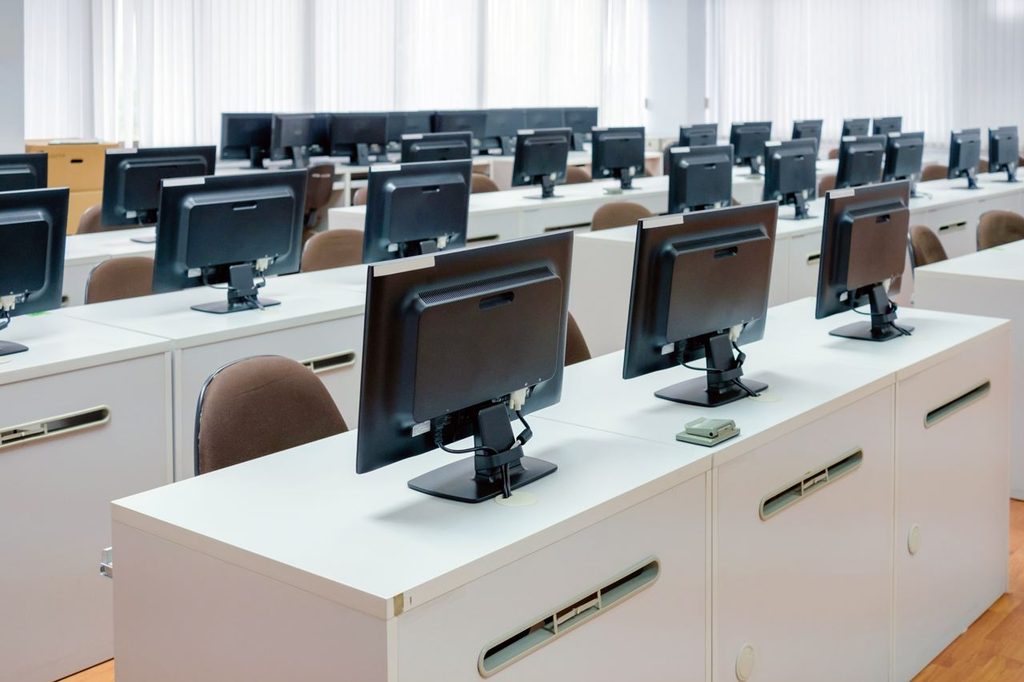
Technology can be an important part of the employee experience. Tell employees whether they will have the same workstation, a different desk or a flexible working arrangement at the new office. Explain what they need to do with their computer, monitor, cables and other work equipment. If the IT team has separate instructions, provide a clear link or point employees towards the relevant guidance.
For technology-specific preparation, use our IT equipment preparation guide rather than repeating the technical moving process here. Employees should also know when their normal workstation will be unavailable and when they can expect to work from the new office. Clear instructions prevent staff from turning up on the first day unsure whether their equipment has been moved or where they should sit.
Share New Office Access Information
Employees need practical information about accessing the new workplace. Before moving day, tell staff:
- The new office address
- When they can first enter the building
- How they should access the building
- Whether access cards or security passes are changing
- Where visitors should report
- Any new entry or security procedures
- Where the main entrance is located
- Who to contact if they cannot get access
If access cards are being replaced, give employees enough notice to collect or activate them. Do not assume everyone will arrive from the same direction. Information about the nearest entrance, reception or agreed meeting point can be particularly useful on the first day.
Give Employees a Final Pre-Move Checklist
In the final week, send employees a short office relocation checklist containing only the actions they need to complete. A useful employee office move checklist could include:
Before moving day
- Clear personal belongings from your workstation.
- Take home anything that should not be moved.
- Follow instructions for your computer and other work equipment.
- Label personal items if required.
- Check the final relocation date.
- Read the new office access instructions.
- Save the contact details for the person managing move-day questions.
- Check where and when you should report to the new office.
Keep this message short. Employees should be able to understand what they need to do without reading through a long project plan.
Communicate With Staff on Moving Day
Communication should continue on the day of the move. Employees need to know whether they are expected to work from the old office, new office or another location. If there are different arrangements for different teams, communicate them clearly. Have one person or team responsible for employee questions. Staff should know who to contact if they cannot access the building, cannot find their workstation or are unsure about the day’s arrangements.
Avoid sending important changes through several unrelated channels. If something changes at short notice, make sure the same information reaches everyone affected. The moving team will be dealing with furniture and other physical items, so employees should not need to manage the removal process themselves unless specifically asked to help.
Help Employees Settle Into the New Office
The first day in the new office is not the end of the communication process. Employees may need help finding their workstations, meeting rooms, kitchen facilities, toilets, entrances and other important areas. A simple office map or short welcome message can make the new workplace easier to navigate. Make sure staff know who to contact if their workstation is not ready or something they need is missing.
It can also be useful to collect feedback after the first few days. Ask employees whether there are practical problems that need attention, such as unclear access arrangements, missing information or workstation issues. This gives the business a chance to resolve small problems before they become ongoing frustrations.
Keep Employee Preparation Separate From the Physical Move
Preparing employees for an office move is different from planning the physical relocation. The removal team can handle the movement of furniture and other items, while managers and internal teams focus on keeping employees informed. If you need professional support with the physical relocation, see our office removals service.
For broader planning around keeping the business running during the move, read our guide on how to move an office without downtime. The key is to give employees clear information before they need it. Tell them what is changing, when it is happening, what they are responsible for and where they can get help. A well-informed team is much better prepared to start work confidently in the new office.





No comment