
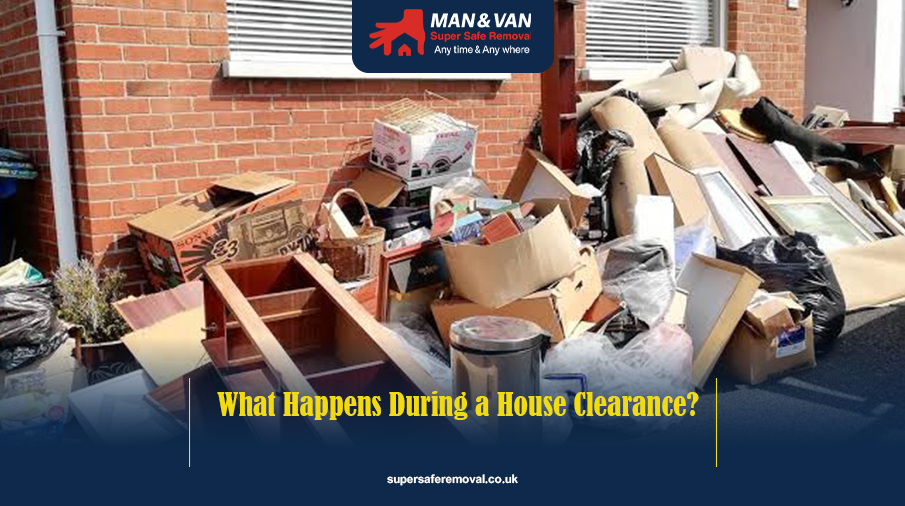
A house clearance involves removing unwanted furniture, household contents and other items from a property so the space is left clear. Unlike a house removal, where belongings are packed and transported to another home, a house clearance focuses on items that are no longer wanted or needed. The house clearance process usually starts with an enquiry and assessment, followed by planning, sorting, removal and responsible handling of the items. The exact work depends on the property and what needs to be cleared, but knowing how house clearance works can make the process much easier to plan.
Initial Enquiry
The process begins when you contact a house clearance service and explain what needs to be cleared. You may be asked about the property, its location, the number of rooms involved and the types of items inside. It helps to mention large furniture, appliances, garden items, bulky waste or anything that may need special attention.
You should also explain whether the entire property needs clearing or only selected rooms. A full clearance is different from removing a few unwanted items. If possible, provide photographs or arrange an assessment. Clear information at this stage helps the clearance team understand the work involved and plan the collection properly.
Property Assessment and Quotation
The next step is usually an assessment of the property and its contents. This may be carried out in person or, where suitable, using photographs and other information provided about the property. The assessment looks at the amount and type of contents, access to the property and the work needed to remove everything safely. The quotation should reflect the work discussed. This is also the right time to clarify what is included in the house clearance service and whether any items cannot be collected.
Planning the Clearance
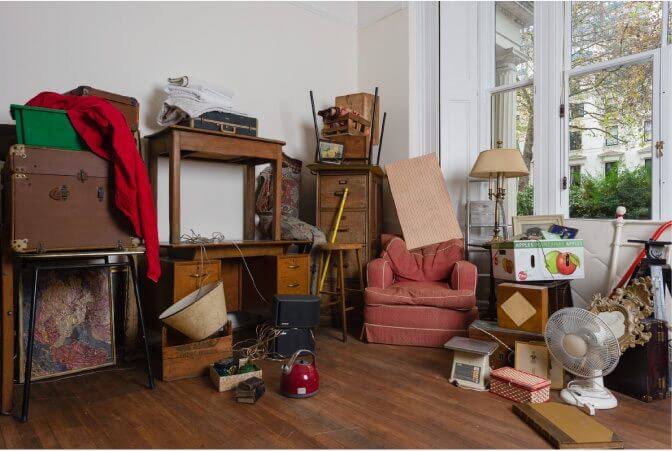
Once the clearance is agreed, the work can be planned. The team needs to know which areas are included and whether there are any access considerations. You may need to provide keys, arrange access to communal entrances or explain any restrictions at the property. It is also useful to decide what is staying before the clearance begins. Items that you want to keep should be clearly separated from those that are being removed.
Preparing for House Clearance
Before the team arrives, go through the property and identify anything that must not be removed. Separate important documents, photographs, jewellery, cash, personal items and anything with sentimental value. If other family members are involved, make sure everyone agrees about what should stay. You do not necessarily need to move heavy furniture yourself. The clearance team can normally handle the physical removal of agreed items. Your main job is to make sure the contents to be kept are clearly identified.
Sorting the Contents
Once the clearance begins, items are sorted according to what has been agreed. Some belongings may be suitable for reuse or donation. Others may be recyclable materials, while damaged or unsuitable items may need to be treated as waste.
Sorting is an important part of a responsible house clearance because not everything removed from a property should automatically go straight to disposal. The exact approach depends on the condition and type of each item and the available disposal or recycling routes. Items that can be reused may have a different destination from broken furniture or general waste.
Removing Furniture and Bulky Items
Furniture is often one of the most demanding parts of a house clearance. Wardrobes, beds, sofas, tables, cabinets and other large items may need to be carried out carefully. Where appropriate, furniture may be partly dismantled to make removal safer and more manageable.
Bulky items should not simply be dragged through the property. Proper handling is particularly important in shared buildings, where corridors, staircases and communal areas also need to be treated carefully. If an item is particularly heavy, fragile or unusual, tell the clearance team before the collection so it can be included in the planning.
House Clearance Collection and Removal
After sorting and preparation, the agreed contents are collected and removed from the property. The team works through the rooms and removes the items included in the clearance. This can include furniture, household contents and other agreed items. If you are only clearing selected rooms, make sure those areas are clearly identified. This helps prevent wanted belongings from being collected by mistake.
The removal stage is different from a normal house move. With house removals, your belongings are generally packed and transported because you are keeping them at another property. During a clearance, unwanted contents are removed because they are no longer needed.
Recycling, Reuse or Disposal
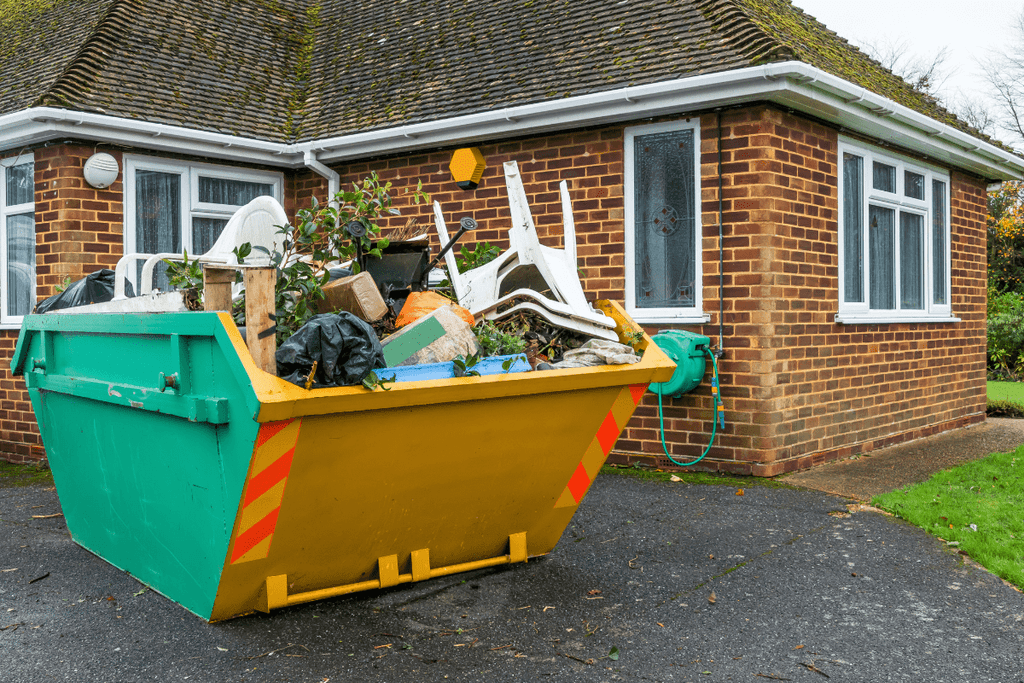
What happens to furniture after house clearance depends on its condition, material and the available handling route. Items in suitable condition may be considered for reuse or donation. Materials such as metal, cardboard, wood and other recyclable items may be separated where appropriate. Items that cannot reasonably be reused or recycled may need to be disposed of as waste.
This is why it is useful to ask how a house clearance service handles collected items. Responsible handling can reduce the amount of usable material that ends up as general waste. Not every item will have the same destination. A damaged wardrobe, a usable table and a broken electrical appliance may all need different treatment. If there are hazardous, restricted or specialist items at the property, tell the clearance company before the collection. These may require a different arrangement rather than being placed with ordinary household contents.
Final Property Check
Once the agreed items have been removed, the property should be checked before the clearance is considered complete. Go through the rooms and confirm that the areas included in the booking have been cleared. Check cupboards, storage areas and other agreed spaces if they were part of the job. If something has been left behind because it was not included in the original agreement, discuss it with the clearance team rather than assuming it will be removed.
How Long Does a House Clearance Take?
There is no single time for every house clearance. The duration depends on the size of the property, the amount of furniture and other contents, the number of rooms being cleared and how easy the property is to access. A small collection of selected items may be completed relatively quickly, while a full property containing a large amount of furniture and household contents can require considerably more work.
House Clearance vs House Removals
House clearance and house removals are not the same service. A house removal is about transporting belongings that you want to keep from one property to another. A house clearance is about removing unwanted contents so the property is left clear.
If you are moving home and need your belongings transported, see our house removals service. If you only need a few large items collected, our Man and Van service may be more suitable. If the clearance involves a large quantity of contents, planning the right vehicle can also matter. Our Van size guide can help you understand why the amount and type of items affect transport requirements.
What to Expect From a House Clearance
The house clearance process is straightforward when the property, contents and responsibilities are clear from the start. In simple terms, the process is:
- Make an initial enquiry.
- Assess the property and its contents.
- Agree what will be cleared.
- Plan access and collection.
- Separate anything you want to keep.
- Sort and remove the agreed items.
- Send suitable items for reuse, recycling or appropriate disposal.
- Check the property once the work is finished.
The most important preparation is deciding what should stay and making that clear before collection. Once that is established, the clearance team can focus on removing the agreed contents and leaving the property ready for its next stage.





No comment